
When your child confidently climbs to the very top of the jungle gym on their own, you're often suddenly aware of how quickly they're growing up. This familiar mix of overwhelming pride and mild nervousness perfectly describes the emotional rollercoaster ride before the upcoming start of school. For pediatricians, this major life change is just as monumental for parents as it is for the young students who are about to venture into a bigger world.
Hinter diesen stolzen Momenten verbirgt sich ein praktischer Fahrplan, der eine klare, zwölfmonatige Vorbereitungszeit erfordert. Ein früher Meilenstein ist der „Stichtag“, also das offizielle Datum, das darüber entscheidet, ob ein Kind in diesem Jahr schulpflichtig wird. Familien, die sich beispielsweise auf die Einschulung Berlin 2025 vorbereiten, müssen nicht nur den lokalen Kalender prüfen, sondern auch die sogenannte Schulfähigkeit einschätzen. Bildungsexperten definieren diese Schulreife nicht über die Fähigkeit, bereits perfekt lesen zu können, sondern über die alltägliche Selbstständigkeit und soziale Reife.
The path from the first paperwork to the first school bell doesn't have to be an exhausting labyrinth. A structured action plan transforms the enrollment process into manageable stages. With the right preparations, from medical check-ups to the appropriate equipment, nothing stands in the way of a relaxed and well-prepared start in the classroom.
Deadlines, due dates, and registration: Why the cutoff date determines the start of school
Every year in the fall, many families start crunching numbers around the cutoff date. This date determines whether your child is considered a mandatory school-age child. If their birthday falls just after this date, you can choose to enroll your child early as a „may-enroll“ child. However, sometimes a child still needs more time to develop, which is why „deferral“ offers a valuable extra year as a safety net. Since education is a matter for individual states, cutoff dates vary greatly – for example, those looking for details on school enrollment in Berlin in 2025 will find completely different deadlines than families in Bavaria.
Once you find the school enrollment dates for the relevant federal state, it's time to head to the school office. To ensure this first administrative step goes completely stress-free, it's best to have these documents ready:
- ID card or passport of the custodial parent
- Child's birth certificate in original
- Medical evidence (such as the vaccination record for the measles vaccine)
The submission of these forms represents a major bureaucratic milestone. The next step is the playful assessment of physical and social maturity during the school entrance examination.
The School Entry Examination: What Really Matters in the Medical Check-up
After the paperwork, the invitation for the school entry examination usually lands in the mailbox. Many parents worry before the Medical examination before starting school unnecessary worries, as they fear a strict examination. In reality, this appointment is more like a playful assessment, designed to ensure your child gets off to an optimal start.
The official doctors are calmly checking if the essential Criteria for school readiness exist. Instead of actual school knowledge, it's about practical everyday skills tested in four core areas:
- See and Hear: A basic check ensures that your child can follow the lessons effortlessly later on.
- Motor skill assessment Here, we playfully check if your child can hop on one foot, catch a ball, or hold pencils securely.
- Language Development How well are age-appropriate words pronounced and simple instructions understood?
- Social behavior Is the child bravely engaging with new tasks and cooperating with the doctors?
Sometimes, after the tests, the examiners recommend small aids, such as a few hours of occupational or speech therapy. Consider this a valuable opportunity to close any remaining gaps without pressure before the fall. Once you have the doctor's approval and your body is ready, all you need is the right equipment for a strong back.
The Perfect School Backpack: Ergonomics Tips Against Heavy Loads
Buying the first backpack is often the absolute highlight of the preparation time. But while children usually only have eyes for sparkling unicorns or fast police cars, parents have to consider the practical Backpack vs. Rucksack In view: A shape-retaining, Ergonomic backpack for first-graders supports the still-soft spine significantly better than a flexible backpack due to its firm frame.
To keep your back healthy on the daily commute to school, ideally check these five crucial fit criteria when trying on a backpack:
- Shoulder straps They should be at least four centimeters wide and softly padded.
- Back cushion Breathable and modeled after the natural S-shape of the spine.
- Chest strap It holds the straps securely in place, even when the child is running.
- Curb weight The empty school backpack should weigh no more than 1,300 grams.
- Reflectors The Seal DIN 58124 guaranteed that there are sufficient illuminated surfaces for maximum traffic safety.
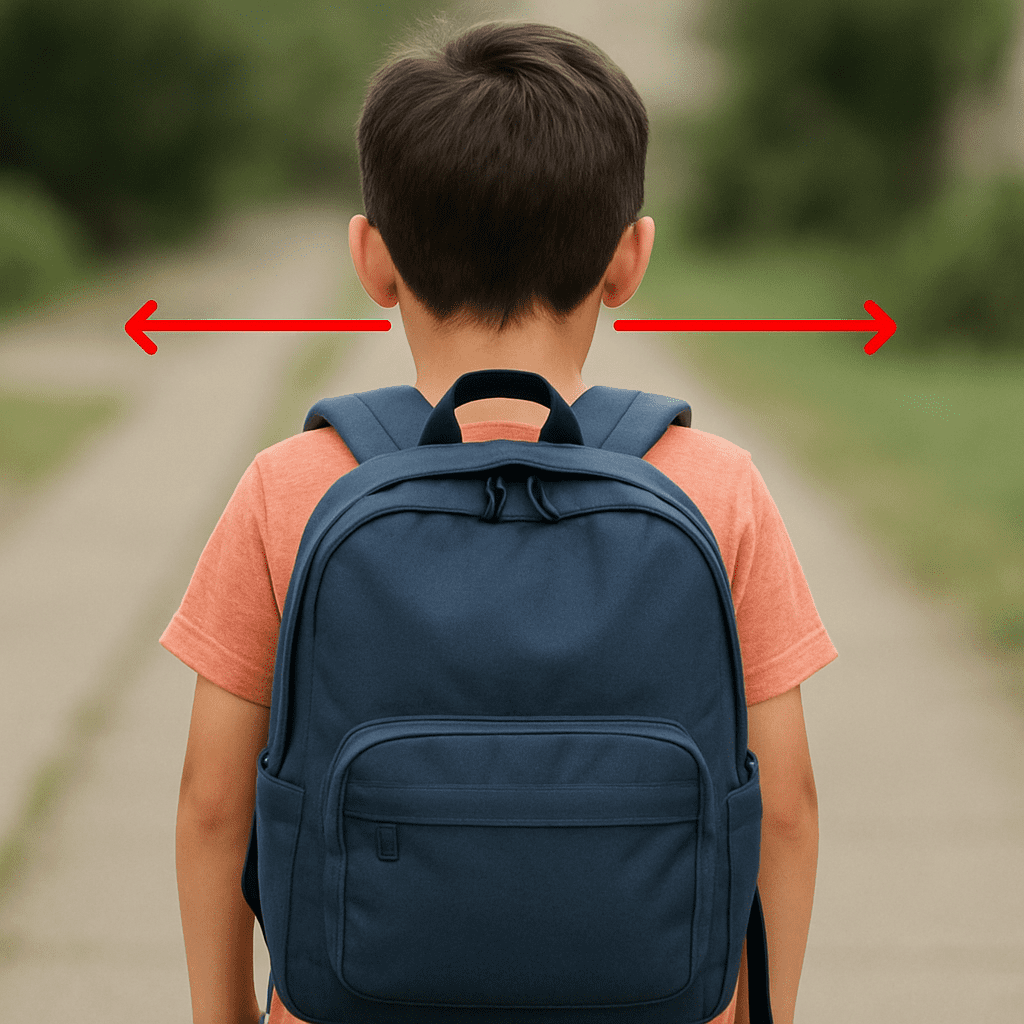
A clever model easily grows with your child thanks to adjustable back systems. Pay special attention to the Load control strap In the upper shoulder area: These straps pull the weight close to the body and prevent a painful swayback. The simple „two-finger rule“ indicates whether the tension is correct: Exactly two fingers should fit between the strap and the shoulder without cutting in. As soon as the equipment sits comfortably, the school cone comes into focus.
Filling the school cone: Meaningful gifts instead of just candy
When the child proudly holds their school cone, their joy is boundless. However, before you consider, What goes in the school cone, the structure needs a stable foundation. Especially if you DIY candy cone, the delicate tip quickly bends. The tried-and-tested trick for stabilizing the candy-filled cone: Simply insert a large, firm eraser at the very bottom. This reliably protects against unsightly kinks and simultaneously acts as a shock absorber for the remaining surprises.
For the actual filling, a balanced mixture is ideal to avoid the dreaded afternoon sugar crash. Meaningful gift ideas for the first day of school spread out wonderfully into these four categories:
- Stationery Fun pencil sharpeners, colorful highlighters, or name stamps.
- Small toys A jump rope or a deck of cards for recess.
- Healthy Snacks: Student food, dried fruit, or sugar-free fruit bars.
- Practical A cheerful alarm clock or extra reflectors for autumn.
Heavy gifts always sink to the bottom when packing, and light items go on top. This makes carrying comfortable for your child and focuses on sustainable helpers instead of mountains of chocolate. With the complete equipment, training for everyday life begins.
Training for Everyday Life: Practicing the School Route and Packing a Healthy Lunchbox
The first day of school brings a completely new rhythm to your family. A central milestone is now getting the Practicing the route to school safely with children When planning, consider: The safest route is rarely the shortest for first-graders. A small detour to a traffic light offers significantly more safety than a confusing, quick shortcut.
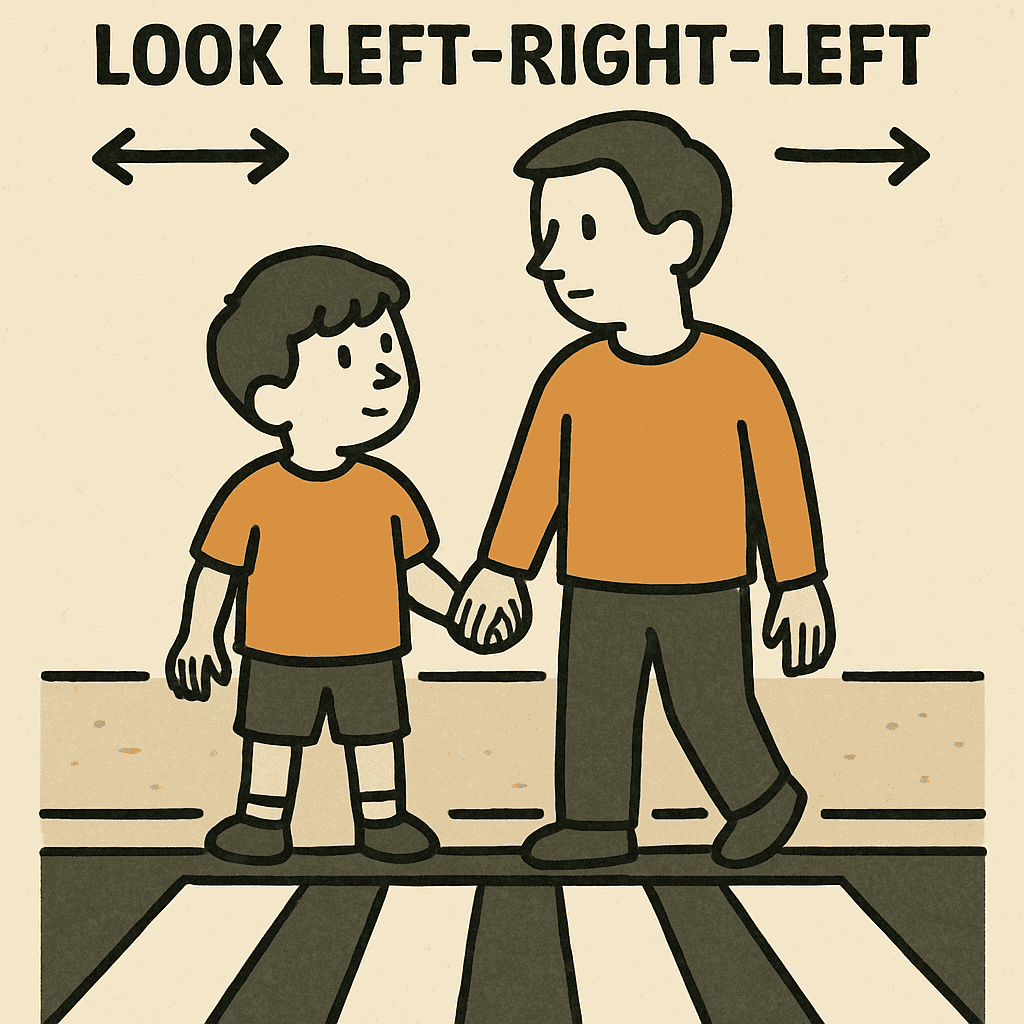
Once the ideal route is established, practice crossing streets under real conditions – be sure to use a packed backpack, as the extra weight changes your child's balance. For intersections, use these three firm rules:
- Stop: The curb is always the absolute, invisible stopping line.
- Look Consistently look left first, then right, and then left again.
- Hearing Listen actively for quiet bicycles or fast cars approaching.
Just as important as the footpath is the right physical energy. A Healthy breakfast for the lunchbox keeps concentration in class high. The glycemic index principle for children helps here: it simply describes how quickly certain foods raise blood sugar. Whole-grain products or vegetable sticks release their energy slowly and steadily, so that there is no sudden drop in performance before the big break.
Once these morning routines are firmly in place, a clear structure at home ensures smooth afternoons. A well-designed study space and a complete list of materials form the foundation for this.
Designing the Study Space: Successfully Completing the Desk and Materials List
After an exciting morning at school, children need a quiet retreat at home. If you the Set up a desk for school beginners, a simple rule applies: a distraction-free environment with no toys in sight noticeably promotes concentration. So-called ergonomic sitting is crucial here. Specifically, this means that your child's feet should rest flat on the floor and their forearms should rest relaxed on the tabletop at a right angle.
Next, the focus shifts to joint purchasing. If you Supply list for the first grade Let's skip the expensive complete sets with unnecessary extras and instead specifically buy these essential basics:
- Grippy, thick pencils for first writing attempts
- A standardized set of watercolors
- Non-slip Slippers for elementary school, which also provide a secure grip on smooth floors
- A lightweight, breathable gym bag
Once the materials are complete and the workspace is prepared, a large portion of the organizational burden is lifted. This finally clears the way for the emotional highlight of this journey: the enrollment celebration.
The First Day of School: Rituals for a Fear-Free Start
The paperwork is done and the new backpack is ready. Now the celebration takes center stage. A simple family gathering keeps the big day stress-free. A favorite meal and a delicious cake for the school enrollment, decorated with sugar letters, are perfectly sufficient to make the afternoon unforgettable.
The excitement often reaches its peak the evening before. To help children overcome their fear of school, these calming evening rituals can help:
- Pack the school bag together to build confidence.
- Lay out the outfit for the next day to avoid morning rush.
- Read an encouraging bedtime story about a new adventure.
With this knowledge about starting school, parents can relaxedly take a step back and simply enjoy the moment. Take a deep breath, trust in good preparation, and experience this proud moment at the classroom door. The next big chapter can begin!