
The search for the perfect name for a child is one of the most exciting, yet also most demanding tasks for expectant parents. A name should have character, sound melodious, and give the child a positive story to carry through life. Anyone looking for names outside of ubiquitous fashion trends will inevitably encounter the fascinating world of antiquity. The most sonorous first names from Roman mythology offer precisely this perfect blend of timeless elegance, deep history, and impressive significance.
Names that were once powerful Roman gods and legendary heroes wore, are making a remarkable comeback today. In this article, we dive deep into the universe of Roman Mythology Given Names one and show you how to find a name that is classic, strong, and unique all at the same time.
Why do Latin names sound particularly aesthetic?
Have you ever wondered, Why do Latin names sound particularly aesthetic? The answer lies in the melodic intonation of Latin. This language is characterized by a harmonious sequence of soft consonants (like L, M, N) and open vowels (like A, E, O). This rhythm is pleasing to the human ear and ensures that the names sound gentle yet distinct.
The Influence of Roman Mythology on Naming Today is far greater than many realize. Name trends come and go, but the linguistic structure of ancient names has endured for millennia. They often form the basis of our modern Romance and Germanic languages, which is why they seem strangely familiar and pleasant to us.
Differences between Greek and Roman mythology names
Anyone interested in ancient names will often come across a double pantheon of gods. But what exactly are they Differences between Greek and Roman mythology names?
While the Greeks first wrote down their world of myths (e.g., Aphrodite, Ares, Athena), the Romans later adopted many of these figures, but adapted them to their own culture and gave them new Latin names (Venus, Mars, Minerva). For modern naming conventions: Greek names often sound a bit more mystical and sharper, while Roman names, with their endings in „-a,“ „-us,“ or „-o,“ appear softer and more modern. They usually integrate more harmoniously into our current language usage.
Which Roman god names have beautiful meanings?
One of the most fascinating questions for parents is: Which Roman god names have beautiful meanings? If you focus on the First names meaning legend, a treasure chest full of positive associations opens.
Goddesses of Nature and Light
The Symbolism and Etymology of Roman Goddess Names is closely connected to nature, the cosmos, and human qualities. To make this tangible, here is the The meaning of the names Flora, Diana, and Aurora explained:
- Flora: Derived from the Latin floss (the flower). Flora was the goddess of blossoms and spring. The name symbolizes the awakening of nature, growth, joy of life, and delicate beauty.
- Diana: She was the protector of women, of nature, and the goddess of the hunt. Etymologically, Diana can be traced back to the Latin word for „the shining one“ or „the divine one.“ A strong name for an independent, nature-loving, and confident girl.
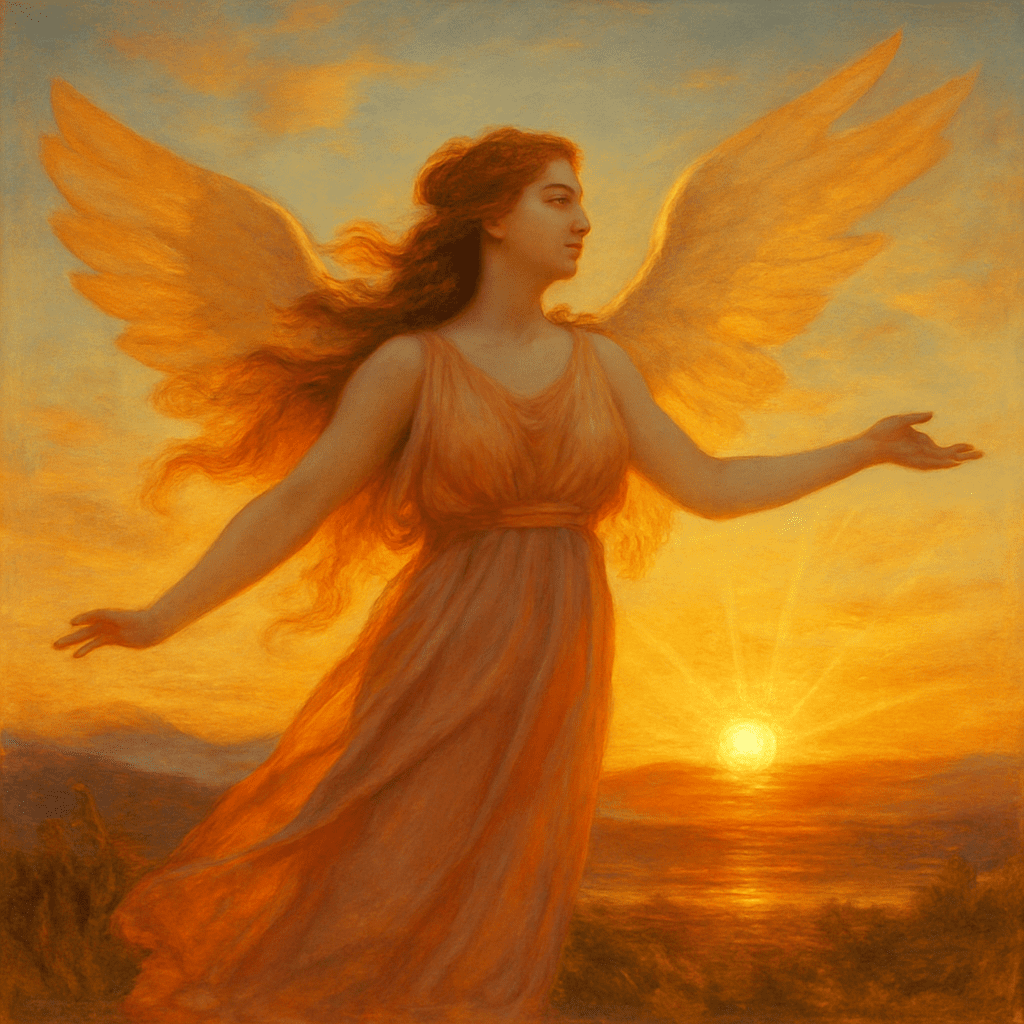
- Aurora: The goddess of the dawn. Every day, she opens the gates of heaven for the sun. Aurora is symbolic of hope, new beginnings, and the radiant light of the new day.
More enchanting girl names from Roman mythology
Besides the major mother goddesses, there are numerous others Roman Mythology First Names for girls who possess an incredible sound:
- Juno: The patron saint of marriage and childbirth. Short, concise, and modern.
- Moon The personification of the moon. A name that has gained immense popularity in recent years and radiates pure gentleness.
- Victoria: The goddess of victory. A classic name that conveys strength, success, and invincibility.
- Maia: Goddess of growth and namesake of the month of May. Ideal for spring children.
Resonant Boy Names from the Roman Mythology World
Ancient Rome also offers a rich selection for boys. Resonant Boy Names from the Roman Mythology World are often characterized by expressiveness. They often serve Character traits of ancient heroes as name inspiration. Courage, determination, and wisdom – these values are timeless.
This underscores the Relevance of Roman Virtues in Modern First Names. The Romans valued Virtue (Bravery), Piety (Sense of duty and love for family) as well as Clemency (Mild). All of this resonates in the following boy names:
- Mars: Originally the god of war, but in ancient Rome, also primarily a protector of agriculture and the people. A short, dynamic name.
- Janus: The two-faced god of beginnings and endings, of doors and gates. He gave the month of January its name. A wonderful first name for a child who marks a new chapter in the parents' lives.
- Silvanus: The guardian spirit of the forests and fields. If you're looking for a name that evokes nature and peace, this is a beautiful choice.
- Felix: Closely associated with in Roman mythology Felicitas, the goddess of luck and success. Felix means „the lucky one“ or „the one favored by luck.“.
Rare Latin first names with mythological origins
Anyone who wants to be sure that no three children turn around at the same time in kindergarten should look beyond the well-known gods. Rare Latin first names with mythological origins offer individuality without appearing contrived.
Here is a small Directory of Rare Names of Roman Mythological Figures, that are worth rediscovering:
For girls:
- Lavinia: In the Roman founding myth, she is the daughter of King Latinus and the wife of the hero Aeneas. She is considered the progenitor of the Roman people. An incredibly elegant name.
- Minerva: Goddess of wisdom, art, and craft. A strong name for a bright child.
- Bellona: An ancient goddess of war. A very rare but melodious name with a powerful aura.
- Pomona The goddess of tree fruits and gardens. Perfect for children born in the fall.
For boys:
- Evander: An ancient hero who, according to legend, founded a settlement on the Tiber River long before the founding of Rome. The name (of Greek origin but firmly established in Roman legend) means „the good man.“.
- Quirinus: One of the oldest Roman gods, often identified with the deified Romulus. A name for parents seeking the extraordinary.
- Aeneas: The legendary ancestor of the Romans, who fled to Italy after the fall of Troy (usually in German Aeneas written).
- Lucifer (Caution: Often carries a negative connotation today, but in original Roman mythology, it simply means „light-bringer“ and is the personification of the morning star). A good example of how much the meaning of a name can change.
Practical Tips: How to Choose Timeless Baby Names from Antiquity
The Naming newborns after ancient role models should not be based on sound alone. Practical aspects of modern everyday life also play a role. If you're wondering: How to choose timeless baby names from antiquity?, Here are some tips to help you:
- Observe pronunciation and spelling of classical Latin names: Ensure that the name does not lead to confusion in German-speaking countries. A name like Moon or Flora is internationally understandable. For names like Aeneas You must decide whether you prefer the classic or the Germanized spelling (Äneas). The name should be suitable for everyday use without long spelling.
- Harmony with the surname: A long, Roman first name (e.g. Cassiopeia or Maximilian – even if the latter is more historical than mythological) usually fits better with a short surname. Short mythological names are suitable for a multi-syllable surname, such as Mars or Juno Excellent.
- Check background: Find out about the complete history of the mythological figure. Some ancient heroes or gods have shown a rather fiery temper in the sagas. Check if you agree with the entire history of the patron saint.
- The sibling question: If you already have children, the names should somewhat match in style. A Jupiter next to a Chantal could be irritating. A Aurora and a Felix form a harmonious duo.
Popular Roman First Names Through the Ages
Considering Popular Roman First Names Through the Ages, it is noteworthy that they have enjoyed remarkable staying power. While names from classical antiquity were highly popular among the educated bourgeoisie in the 19th century, they faded somewhat into the background in the mid-20th century.
Today, in the 21st century, parents are once again yearning for names that symbolize rootedness and permanence. Short Latin and mythological-inspired names are reclaiming the top spots. They offer a wonderful alternative to Nordic or Anglo-Saxon fashion names and give the child an aura of timeless class.
Conclusion: A name like an echo from eternity
The most sonorous first names from Roman mythology They are far more than just letters strung together. They are a piece of living history, embodying natural phenomena, virtues, and human strengths.
Whether you are interested in the radiant Aurora, the wise Minerva, the peaceful Silvanus or the brave Evander decide - you are giving your child a name that was spoken with reverence and love over two thousand years ago. Let yourself be inspired by the magic of ancient Rome and choose a first name that will serve as a strong foundation for your child's entire life.