
Eating should be the most natural thing in the world – a source of energy, enjoyment, and sociability. Yet in today's highly visual, achievement-oriented society, many families are growing concerned about their children's eating habits. One of the most pressing questions occupying mothers and fathers today is quite specific: How to protect our children from eating disorders can.
Es geht dabei um weit mehr als nur darum, was auf den Teller kommt. Es geht um Selbstliebe, mentale Gesundheit und die Fähigkeit, in einer Welt voller Filter und Optimierungswahn ein starkes inneres Fundament zu bewahren. In diesem Artikel erfahren Sie, wie Sie als Familie ein Schutzschild gegen Essstörungen aufbauen können.
The Real Triggers: Why Pressure on Children is Increasing
To counteract effectively, we must first Understanding the psychological causes of eating disorders. An eating disorder is almost never „just“ a problem with food. Often, eating (or the strict refusal of it) serves as an outlet for deeper emotional burdens. It can be an attempt to gain control over one's life when other areas feel chaotic, or a way to cope with perfectionism, anxiety, or family conflicts.
A major factor in today's world is also the The influence of social media on self-image. Platforms like Instagram or TikTok bombard adolescents with seemingly perfect, often heavily edited bodies every second. When adolescents compare their own changing bodies to these unrealistic standards, frustration and inferiority complexes quickly arise. A conscious, critical Dealing with beauty standards in everyday life is therefore essential. Talk to your child about how images in magazines and on social media are often staged and do not reflect reality.
Leading by Example Instead of Dictating: The Foundation at Home
Children learn through observation. The Parental role modeling in eating behavior is perhaps the most powerful lever in prevention. If parents are constantly dieting, counting calories, or speaking negatively about their own bodies („I'm too fat,“ „I can't eat that“), children will adopt this toxic pattern. It is our job as adults to convey a healthy attitude towards one's own body. Show your child that you value your body for what it can do, not just for how it looks.
Healthy routines without compulsion
The everyday Children's nutrition should be characterized by diversity, enjoyment, and lightness. If we healthy eating habits Strict bans are counterproductive for establishing habits. A complete ban on sweets often only leads to secret snacking and cravings.
Much more effective is when we the Strengthening intuitive eating in the family. This means:
- We eat when we're hungry, and stop when we're full.
- Children can decide for themselves how much of the offered food they want to eat. The phrase „The plate must be cleaned“ is a thing of the past.
- Foods are not divided into „good“ and „bad.“.
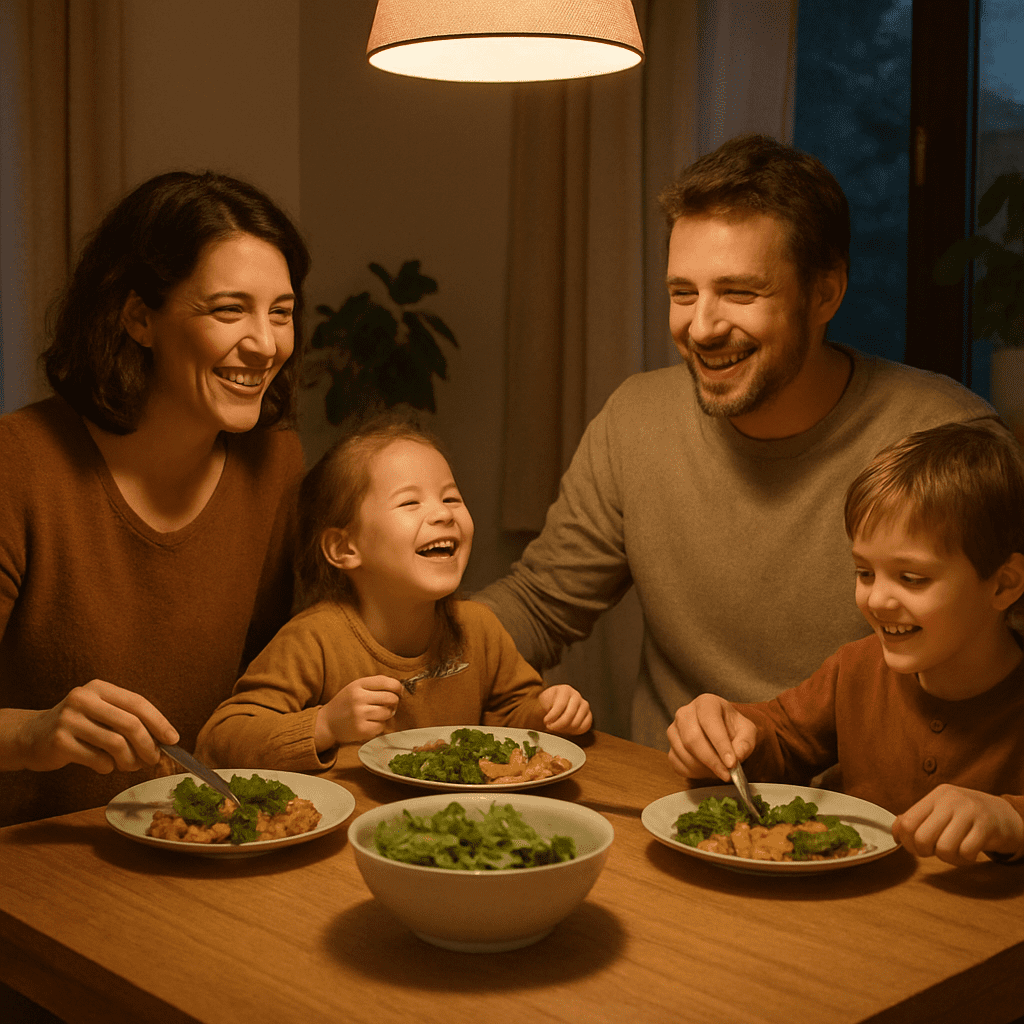
Another extremely important anchor point in family life: We should Utilize shared meals as a protective factor. A shared breakfast or dinner without the television or smartphones on creates space for conversation. It gives children a feeling of security and belonging, and allows parents to observe their children's eating habits casually and without the pressure of control.

Communication on an equal footing: Sensitivity is required
With the onset of pre-adolescence Children's bodies change rapidly. Many parents are unsure during this phase: How do I talk to my child about weight, without hurting it or triggering complexes?
The most important rule is: never focus on the scale during conversations. To a Promote positive body image in children to be able to, praise qualities that have nothing to do with appearance. Emphasize strength, endurance, health, and energy. If a child develops health problems due to being overweight, talk about „getting stronger“ and „staying healthy“ instead of „losing weight.“.
The goal of all educational measures should be to Building self-esteem in children sustainably. Teenagers who know they are loved for their humor, wit, or helpfulness are significantly more resistant to toxic external beauty ideals.
Recognizing the Seriousness of the Situation: Warning Signs and Prevention
In puberty, it's normal for teenagers to start taking an interest in diets or fitness. Here, it's essential for parents to Difference between diet and disordered eating to know. While a temporary diet usually remains flexible and does not affect social life, disordered eating quickly becomes compulsive, isolating, and takes over the child's thoughts.
A successful Prevention of anorexia nervosa and bulimia nervosa presumes that we do not look away. Parents must be vigilant and the most important Recognizing Warning Signs of Eating Disorders in Adolescents.
Pay attention to the following specific changes:
- Extreme weight loss or significant fluctuations: Often hidden under very loose, shapeless clothing.
- Conspicuous eating rituals: Food is cut into tiny pieces, chewed extremely slowly, or entire food groups (like carbohydrates or fats) are suddenly strictly refused.
- Social withdrawal The child avoids meeting with friends, especially when eating is involved (e.g., birthdays, movie outings).
- Excessive urge to move Sport is not practiced for fun, but compulsively, to burn off perceived calories immediately.
- Food Disappearance: It is also important, Identify warning signs of binge-eating disorder to be able to. Empty food packaging in the room or secretly eating large quantities in a short time are typical signs of this.
- Frequent bathroom trips right after eating: This could be a hidden clue to bulimia.
The Way Out of the Crisis: Accepting Help
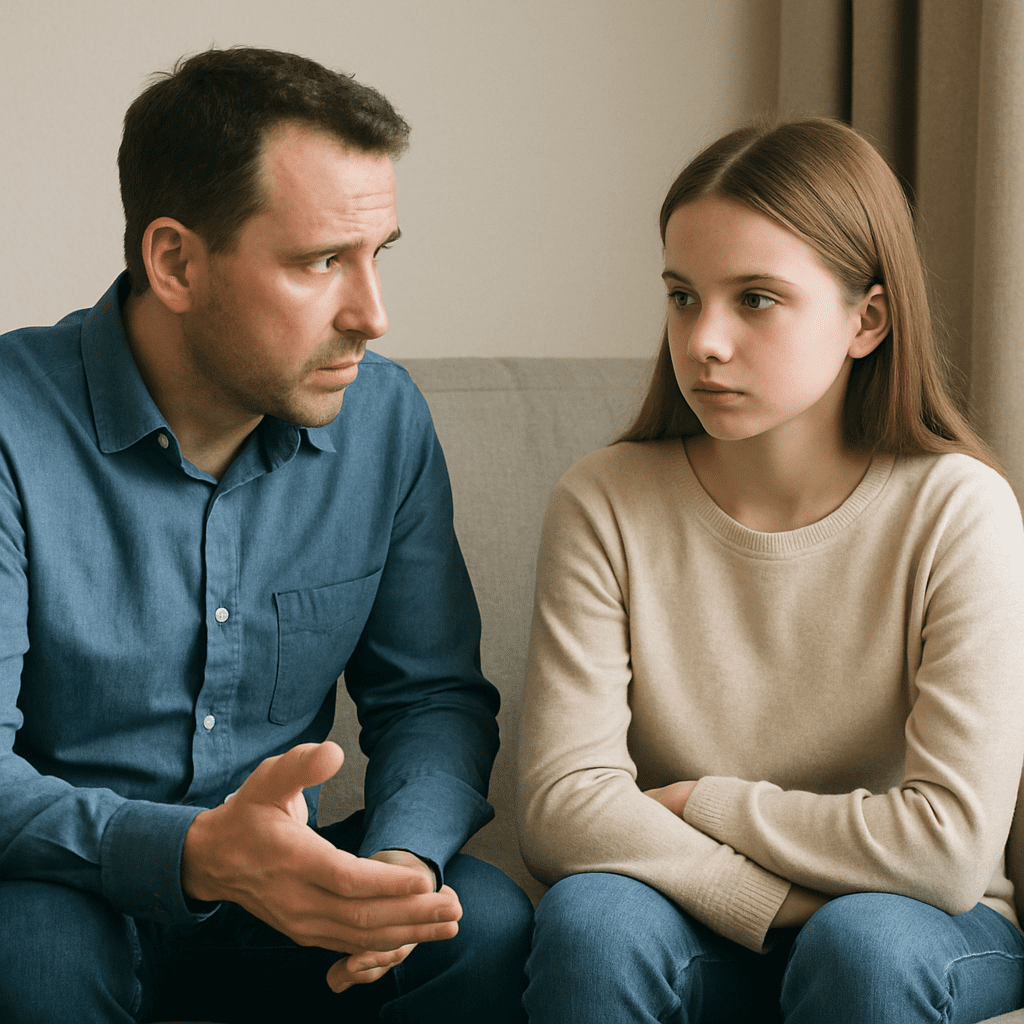
If you notice that preventative measures are no longer sufficient and your child's eating behavior is taking on worrying traits, swift action is required. False shame, guilt, or the hope that it's „just a phase“ waste valuable time. The earlier professional treatment begins, the higher the chances of recovery.
Fortunately, there are diverse today Help for affected parents and families. The first point of contact should always be the pediatrician. They can assess the physical situation and refer to specialized child and adolescent psychotherapists. Counseling centers for eating disorders and self-help groups for relatives also offer important support so that parents do not feel alone during this emotionally extremely stressful time.
Conclusion: A path full of love and mindfulness
If we permanently Preventing eating disorders in children If you want children to develop a healthy relationship with food and their bodies, it's not enough to just buy healthy groceries. It requires a family environment characterized by emotional warmth, open communication, and unconditional acceptance. We must show our children that their worth is not measured by pounds or clothing sizes. Through shared meals, modeling a relaxed attitude towards our own bodies, and building self-confidence, we give them the most important tools to grow up healthy, happy, and self-determined.