
Detecting fertile days is crucial for women who want to actively plan their families. Whether you are trying to conceive or avoid pregnancy, understanding your own cycle is essential. A woman's menstrual cycle is complex and individual. It varies in length and can be influenced by various factors.
Fertile days are the days when the probability of conception is highest. These days are usually around ovulation. Ovulation itself is the moment when an egg is released from the ovary.
Various methods can help identify these fertile days. These include cycle calendars, basal body temperature measurement, and ovulation tests. These techniques offer valuable insights into one's body and support natural family planning.
The Female Cycle: Basics and Phases
A woman's menstrual cycle plays a central role in determining fertile days. On average, a cycle lasts 28 days, but can vary from 21 to 35 days. Menstruation begins in the first few days, during which the uterine lining is shed.
After menstruation, the follicular phase follows. During this phase, several follicles mature in the ovary, but usually only one releases an egg. This development is supported by the growth of estrogen, which prepares the body for ovulation.
Ovulation marks the transition to the luteal phase. Here, the egg is released, and luteinizing hormone (LH) plays a key role. This phase ends with the start of the next menstruation, provided that fertilization has not occurred.
from Reproductive Health Supplies Coalition (https://unsplash.com/@rhsupplies)
When is a woman fertile? The fertile days in the cycle
A woman's fertile days are crucial for a successful conception. These days center around ovulation, which occurs about 14 days before the next period. In fact, women are most fertile for about five days before and on the day of ovulation.
During this phase, an egg can be fertilized 12 to 24 hours after ovulation. However, sperm can survive in the female body for up to five days. This extends the window of time during which a woman can become pregnant.
Understanding the timeframe of fertility offers valuable insights. With this knowledge, women can optimize their chances of conception. This information is also essential for natural family planning.

by Deon Black (https://unsplash.com/@deonblack)
Methods for detecting fertile days
There are numerous methods to identify fertile days. The choice of the appropriate technique depends on personal preferences and lifestyle. Some women combine multiple methods to improve the accuracy of predictions.
Here are some common methods:
- Cycle calendar
- Basal body temperature method
- Cervical mucus observation
- Ovulation tests
Tracking fertile days using these techniques can make planning for pregnancy easier. Each method has its own advantages and may vary in reliability from woman to woman depending on cycle variability.
Cycle calendar and fertility calculator
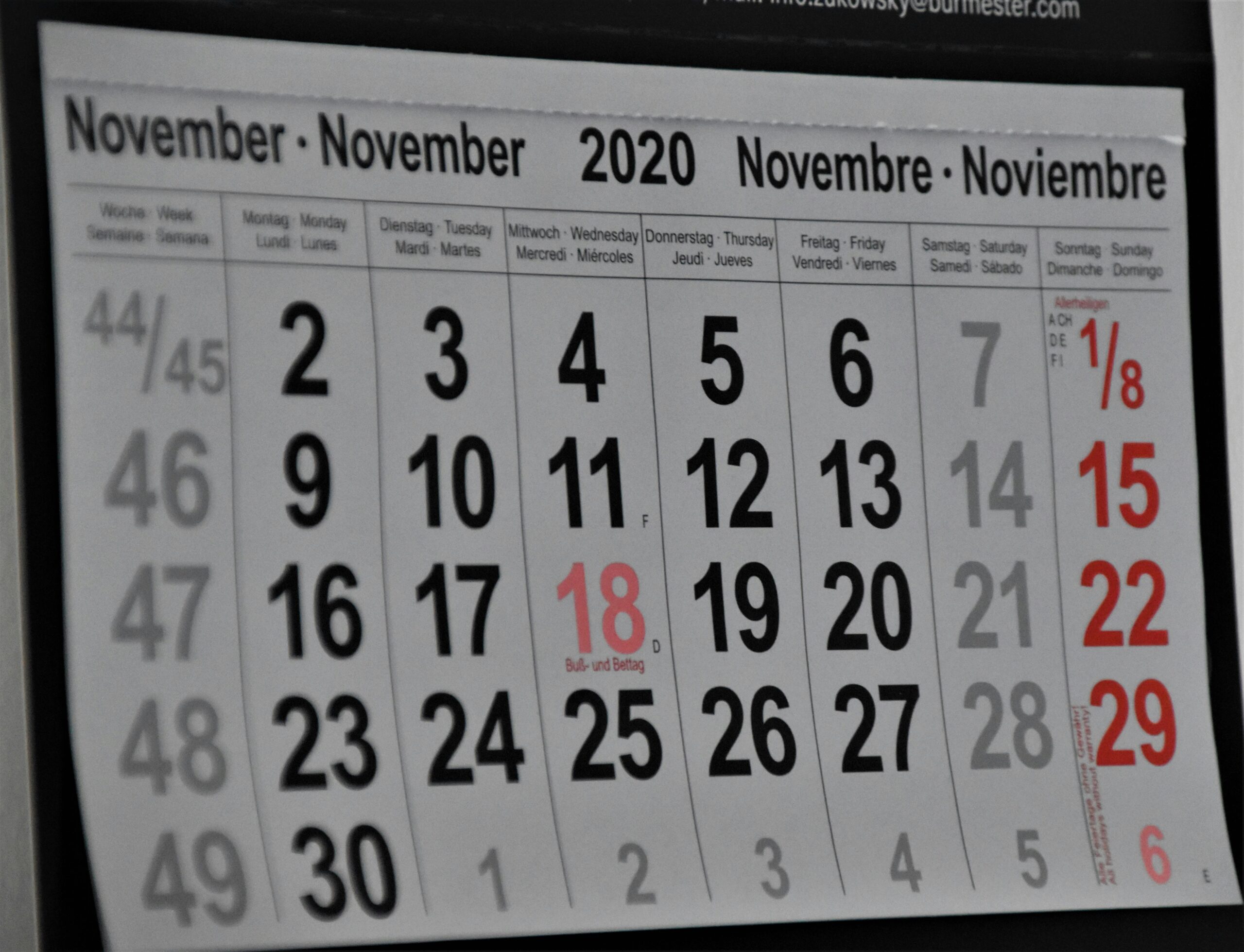
A cycle calendar helps analyze the regularity of the menstrual cycle. This makes it easier to predict fertile days. By logging menstruation and its duration daily, the cycle can be better understood.
Fertility calculators are a practical addition. They offer automated calculations based on entered cycle data. These tools are especially helpful for women with regular cycles.
- Regular input of cycle data
- Automated calculation of fertile days
- Family planning support
by Waldemar Brandt (https://unsplash.com/@waldemarbrandt67w)
Basal body temperature method
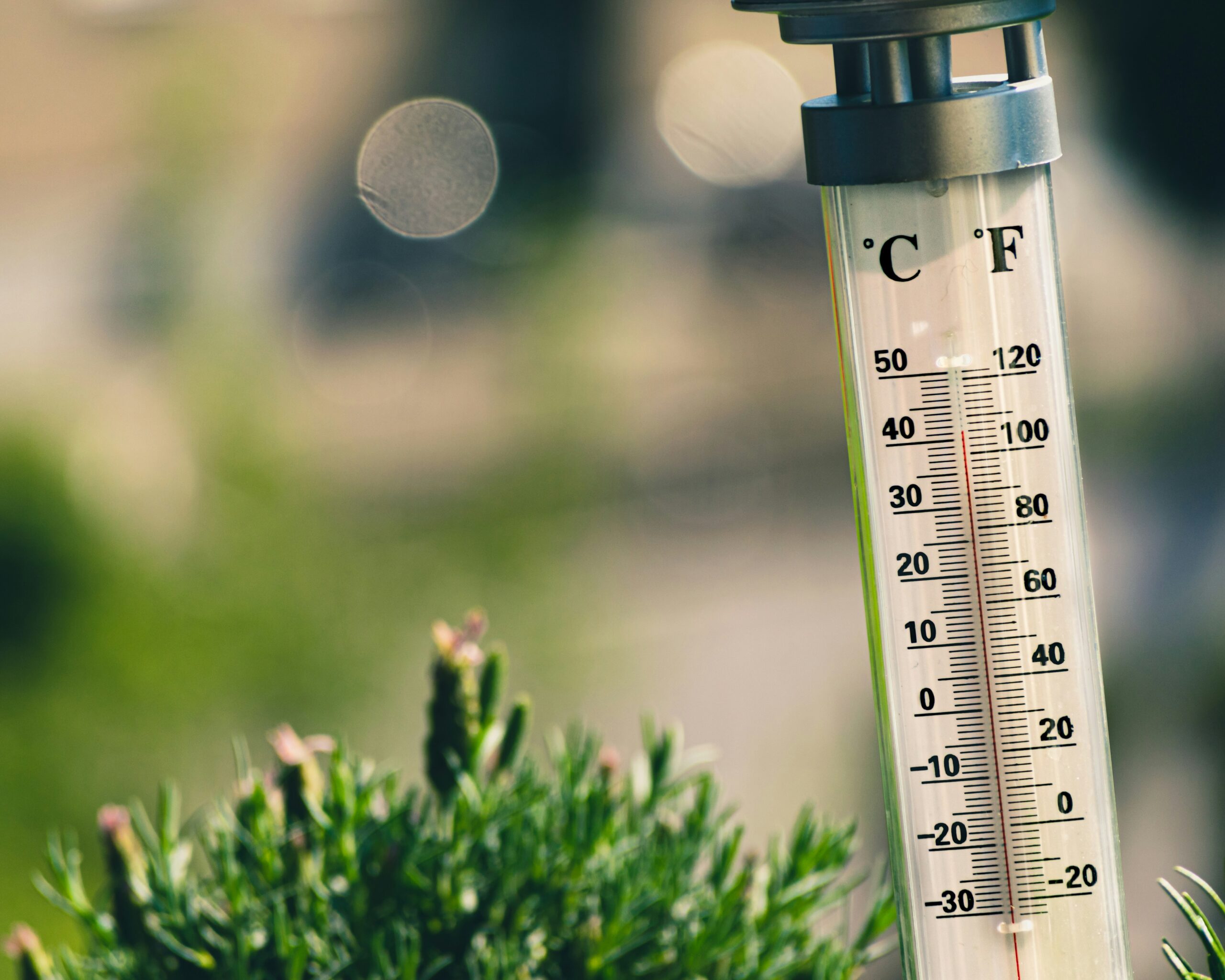
The basal body temperature method is a popular technique for detecting ovulation. With this method, body temperature is measured daily in the morning. A slight increase in basal body temperature indicates ovulation.
After ovulation, the temperature usually rises by 0.3 to 0.5 degrees Celsius. This method requires patience and consistent monitoring. It is particularly useful when applied over several months.
It is important to always measure your temperature at the same time and under the same conditions. This accuracy allows you to track patterns in your cycle.
from Jarosław Kwoczała (https://unsplash.com/@sumekler)
Cervical mucus observation
Cervical mucus changes throughout the cycle. On fertile days, it is often stringy and clear. This consistency aids in the transport of sperm to the egg.
Observing these changes helps in identifying fertile phases. By checking the cervical mucus daily, one can draw conclusions about the upcoming ovulation.
This method requires some practice and patience. However, women report that after some time they develop a good feel for the changes.

by Marija Zaric (https://unsplash.com/@simplicity)
Ovulation tests and technical aids
Ovulation tests measure the surge in luteinizing hormone (LH). A surge signals impending ovulation. This allows for a more precise determination of fertile days.
Technical aids like apps and monitors simplify observation. They offer notifications and reminders for tracking the cycle.
- LH tests for determining ovulation
- Cycle apps for support
- Fertility monitors
Such modern tools are particularly useful for women with irregular cycles. They offer the possibility of planning a pregnancy better.
by Balázs Kétyi (https://unsplash.com/@balazsketyi)
Further body signals and individual differences
In addition to the methods already mentioned, there are other bodily signals that indicate fertile days. Some women report mild pain or „mittelschmerz“ during ovulation. These symptoms can provide additional clues about the timing of ovulation.
Individual differences play an important role in recognizing fertility signals. Not all women experience the same signs. Therefore, it is helpful to listen to your own body. Personal notes and observations can contribute to a better understanding in the long term.
Other body signals include:
- Changes in sense of smell
- Mild breast tenderness
- Increased sexual desire
These symptoms vary and should be considered in the context of the entire cycle.
Frequently Asked Questions about Fertile Days and Ovulation
Many women wonder how to determine the exact time of ovulation. Ovulation generally occurs 14 days before the next period. However, this can vary depending on cycle length.
Another common concern is the question of when a woman is most fertile. The most fertile days are the days immediately before and on the day of ovulation. Therefore, observing the cycle is crucial for accurately determining these days.
Here are some frequently asked questions:
- When does ovulation occur after menstruation?
- How long does ovulation last?
- Can fertile days be calculated precisely?
Every woman is unique, so it's important to pay attention to individual body signals.
Tips for Optimizing Fertility and Cycle Monitoring
A healthy lifestyle can significantly boost fertility. Getting enough sleep, managing stress, and eating a balanced diet support a regular cycle. Regular physical activity also promotes overall health.
In addition to lifestyle, technical aids can simplify cycle observation. Apps and special trackers offer support in determining fertile days.
Here are some useful tips:
- Keep a regular menstrual cycle calendar.
- Observe the cervical mucus.
- Use apps to track your cycles.
Regular record-keeping helps you better assess and make the most of your fertile days.
Conclusion: Recognize and Utilize Fertile Days
Understanding fertile days significantly improves family planning. Utilize simple methods and technologies to effectively determine and maximize your fertility window.