
Forget the tired cliché of the man reluctantly dragged into fatherhood. Today, it stems from The longing for a child often a quiet, internal shift in perspective that goes far beyond fulfilling societal duties. A profound societal change in the image of fathers clearly shows that men increasingly view this life-altering role as an active, conscious decision for their own emotional growth.
Do you know that deep-seated need to protectively pass on your own life lessons to someone? It is precisely here that the true drivers of this decision are revealed. For these 4 reasons, men really want to become fathers, because the psychological motives for men’s desire for children are based on a real identity transformation.
Reason 1: The Continuation of the Story – More Than Just Genetics
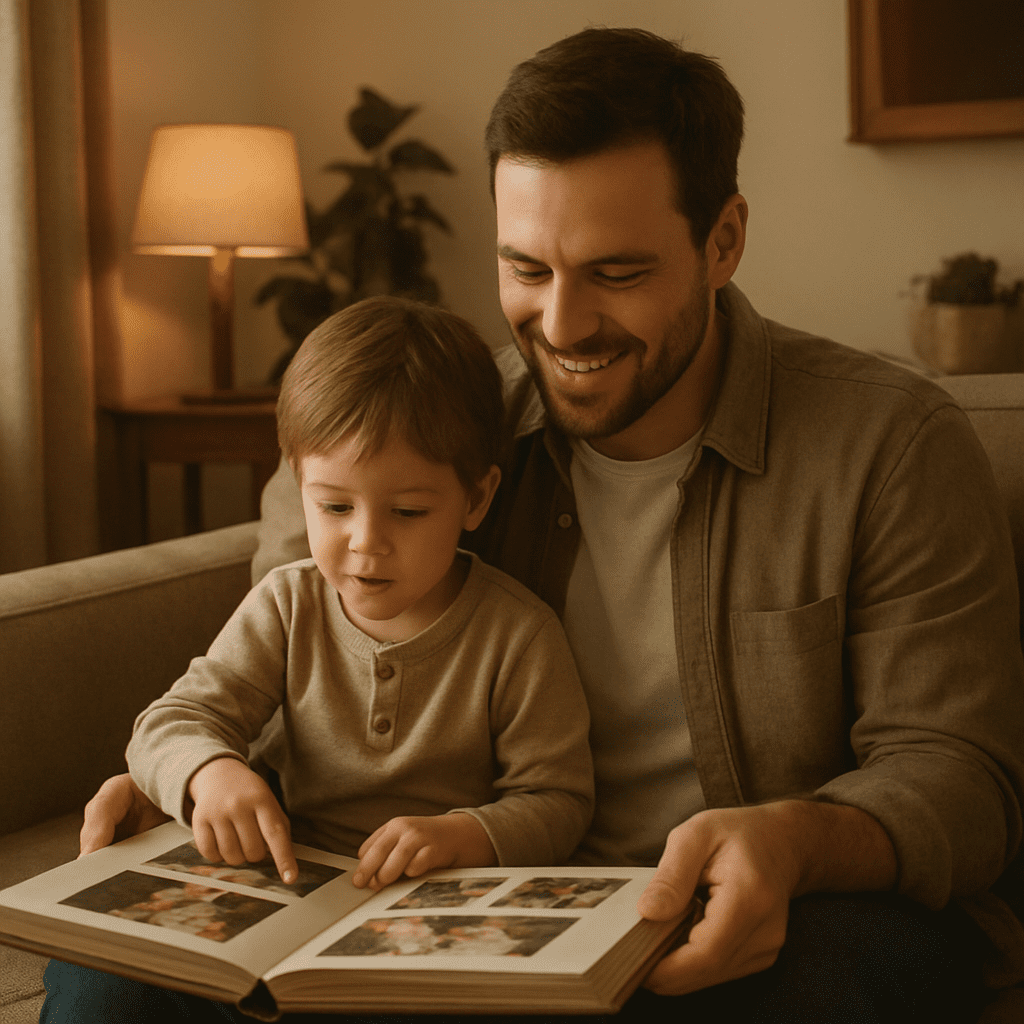
Today, we consciously choose the father role, but what truly drives this decision? It is often the deep emotional need for a form of symbolic immortality. Psychologists call this desire to leave something lasting for the next generation „generativity.“ This is by no means about narcissistic vanity or cloning one's own ego. Rather, the continuation of family history serves as a driving force to secure a place for one's own beliefs in the future.
When observing men in this life stage, the strong influence of role models often becomes apparent Family planning. They reflect deeply on their own upbringing and decide what they actively want to pass on:
- Manual skills and everyday wisdom, such as repairing a bicycle together.
- Formative family traditions that create an irreplaceable sense of home, especially during the holidays.
- Core character values such as empathy, respect, or healthy coping with life crises.
This conscious act of passing on fundamentally changes a man's perspective. He transforms from a mere shaper of his own daily life into a guide for a new life.
Reason 2: The Maturation Process – Fatherhood as the Ultimate ‚Upgrade‘
Responsibility is often seen as a mere duty, but for many men, it is a longed-for catalyst for personal growth. The leap from focusing on one's own ego to actively caring for a child feels like a profound update to one's inner operating system. It is precisely in this phase that fatherhood proves to be a process of maturation and a source of meaning, giving everyday life a completely new grounding. It is no longer primarily about professional success, but about being a reliable anchor for another person.
Interestingly, biology is also keeping pace with this change. Research shows that the brains of expectant fathers are literally rewired: networks for empathy and emotional vigilance are noticeably strengthened. This so-called neural plasticity helps to build sensitive bonds and to master the complex challenges of modern fatherhood. It is a tangible biological transformation that turns the classic provider into an intuitive companion.
Ultimately, this transformation leads to an emotional depth that often surprises men about themselves. When one's own ego takes a backseat, space is created for a completely new family connection.
Reason 3: The Longing for Unconditional Love
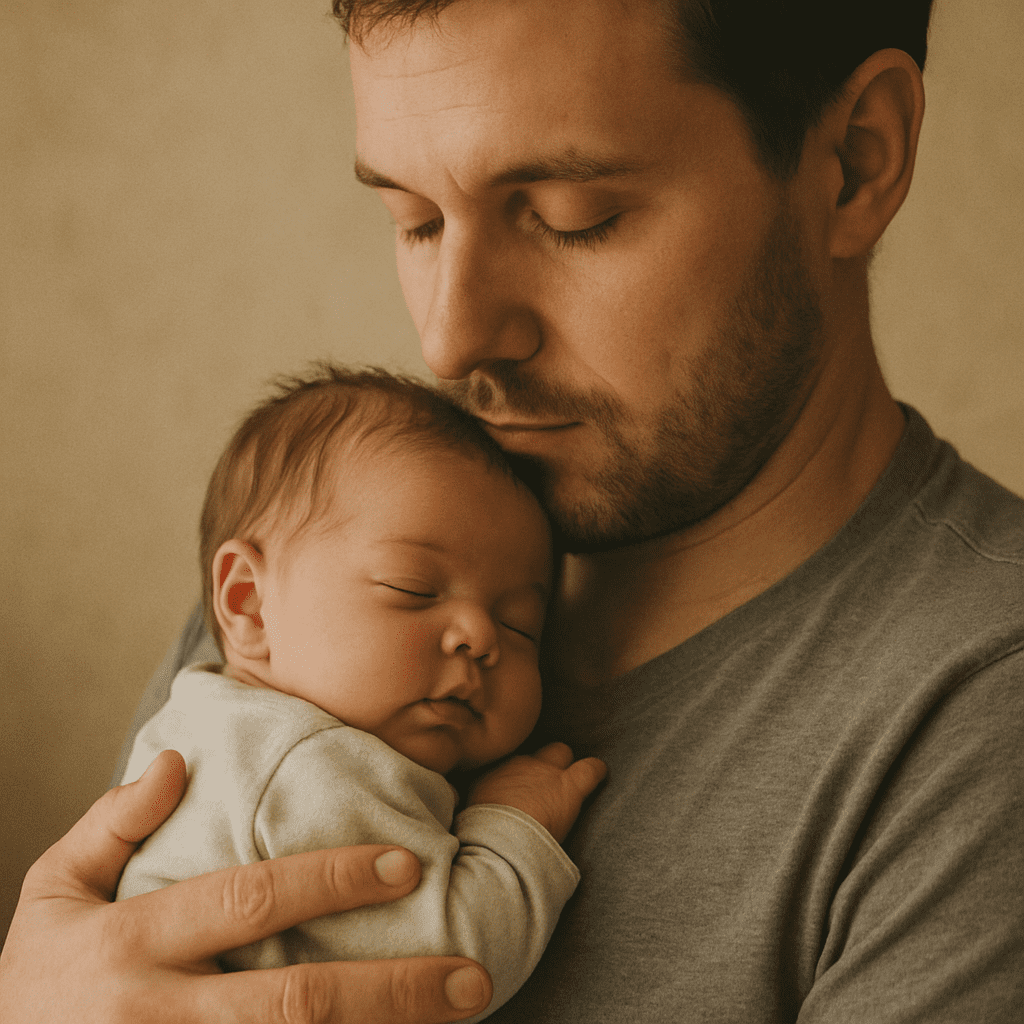
In our performance-driven world, adult relationships are often subtly tied to expectations. This leads many men to long for unconditional love from children. An infant doesn't judge career status or demand a strong facade; they simply seek security. This purely non-transactional bond allows men to embrace their own vulnerability without fear of judgment and experience entirely unadulterated tenderness.
Behind the outdated cliché of the unwavering go-getter lie profound emotional needs of expectant fathers. Direct, active caregiving – such as comforting a baby at night – acts as a healing antidote to the isolation of modern everyday life for many. In this intimate role, men can shed their everyday protective armor; they find deep inner fulfillment not just in achieving, but in simply being and feeling.
Ironically, this soft, emotional opening forms the strongest foundation for his next major developmental stage. Once someone has learned to approach their child so openly and unconditionally, they will soon want to explain the world to them as well.
Reason 4: Actively Shaping the Future – From Provider to Mentor
Formerly, a man was considered a successful father as soon as the financial foundation was solid. Today, a completely new claim arises from the deep desire for stability and nesting: men no longer want to be just passive providers in the background but want to act as tangible companions. They are increasingly concerned with passing on their own convictions and positively shaping the society of tomorrow on a small scale. This inner transformation from a mere breadwinner to a committed mentor lends one's own life profound, intergenerational meaning.
Developmental psychologists have long emphasized the enormous benefits of active fatherhood for a child's development, but men themselves also benefit emotionally. When a father teaches his child to ride a bike or demonstrates empathy, he experiences a sense of purpose that no professional success can offer. However, this very high standard of being a present role model often awakens great respect for one's own courage.
When is a man ready? Using fears constructively
The awareness of this lifelong responsibility often leads to inner paralysis when planning one's life. The constant question – when is The right time for fatherhood – causes many to simply freeze. Scientific facts about the biological clock in men, such as the gradually declining fertility from the age of forty onwards, also create an often ignored pressure. To break through this mental block, a practical decision-making aid for undecided men helps:
- Value Focus: What essential life experiences and insights do I truly want to pass on?
- Reality check: Is my current hesitation based on insurmountable hurdles or mere perfectionism?
- Relationship Dynamics: What are our honest expectations for the division of roles in everyday life?
- Acceptance: Internalize that the magical state of perfect preparation is simply an illusion.
Men who constructively use this natural fear of the father role transform their paralyzing doubt into mindful maturity. Precisely this initial respect for the emotional scope later shapes the most loving companions.
Your Path to ‚Grandpa Level‘: A Conclusion
Parenthood is no longer just a duty today, but a conscious decision for emotional depth and true meaning in life. Actively use this insight: Talk openly with your partner about your motives or ask a father you admire about his personal „why.“.
Such open conversations shape generations. Those who lead emotionally present today build a lasting legacy. Ultimately, this wise thought proves true again and again: The best fathers get promoted to grandpa – to experience that love a second time.