
At breakfast, your child seems unusually quiet and pushes their favorite food aside untouched. Before the thermometer shows a fever, you instinctively sense: something isn't right. This quiet lead-up time is what experts call the prodromal phase – an early warning period where the virus is, in a way, unpacking its bags. According to the Professional Association of Pediatricians and Adolescent Medicine, your parental observation skills are crucial here. Typical early signs of illness in young children can often be recognized with this attentive gaze even before the first fever spike.
How can you tell the difference between harmless tiredness and a genuine infection? The concrete signs and symptoms of childhood illnesses are evident in three main indicators: sudden changes in behavior, noticeable temperature fluctuations, and accompanying symptoms such as loss of appetite and listlessness. Instead of merely treating symptoms superficially later on, this knowledge helps you address the true cause and transform initial panic into confident action.
The ‚Body Alarm‘ Signals: How to Properly Interpret Lethargy and Behavioral Changes
When the usual whirlwind lies still on the sofa for hours, that's significantly more than normal tiredness. The small body sends subtle warning signals instead, long before you officially have to call in sick for the child.
In the first 24 hours, accompanying symptoms like loss of appetite and listlessness often cause great concern. However, solid food is secondary in this phase; fluid intake is crucial, especially for babies. Watch for unusually dry diapers or a lack of tears when crying; these are early warning signs of impending dehydration. Another precursor to rising temperature can often be seen directly on the face.
To safely assess your child's condition, pay attention to these five less obvious details:
- Shiny, watery eyes as early harbingers of fever
- Unusually strong clinging to caregivers
- A suddenly changed sleep pattern
- Striking paleness around the nose and mouth area
- Complete loss of interest in favorite toy
If changes appear on the skin in addition to these general baseline signals, a closer look is required.

Red Spots and Rash: The Visual Check for Chickenpox, Measles, and Scarlet Fever
In the morning, while changing your child's diaper, you suddenly discover inexplicable red spots on their stomach. Before this visible rash appears, the body usually goes through an invisible lead-up period. This so-called incubation period of common infectious diseases is like a hidden phase in which the pathogen multiplies in the body long before the actual symptoms begin.
To distinguish between measles and scarlet fever, a direct look inside the mouth is often helpful. While a red, non-itchy rash on the trunk can indicate either illness, the bacterial infection scarlet fever typically presents with a characteristic „raspberry tongue.“ This tongue appears deep red with small, raised dots, visually resembling the surface of the fruit.
A transparent drinking glass gives you immediate reassurance for any unclear skin condition with the important glass test. Press the glass wall firmly onto the spots: if they fade under pressure, it is reassuring; however, if they remain blood red, contact a doctor immediately. If fluid-filled blisters appear instead, cooling dab-on lotions can provide relief as a home remedy for itching with chickenpox. The following time windows will help you assess the risk of infection:
- Chickenpox Incubation 8–21 days; contagious until the last blister is completely crusted over.
- Measles Incubation 8–14 days; contagious up to four days after the rash appears.
- Scarlet fever Incubation 1–3 days; no longer contagious after 24 hours with targeted antibiotic administration.
If these classic childhood illnesses are ruled out, other well-known pathogens often come into focus, challenging the daily lives of young families.
Hand, Foot, and Mouth Disease and Roseola Infantum: Safely Guiding Typical Courses in Toddlers
After days of worry, the high thermometer finally drops, but suddenly a pale red rash appears on the stomach. This sequence of events—medically known as Postfebrile exanthem (Rash after fever) refers to – defines the classic Three-day fever symptoms and course. While with other infections you might primarily be looking for ways to Relief of ear pain in children This virus primarily tests your patience, as the small bumps usually disappear completely and painlessly on their own.
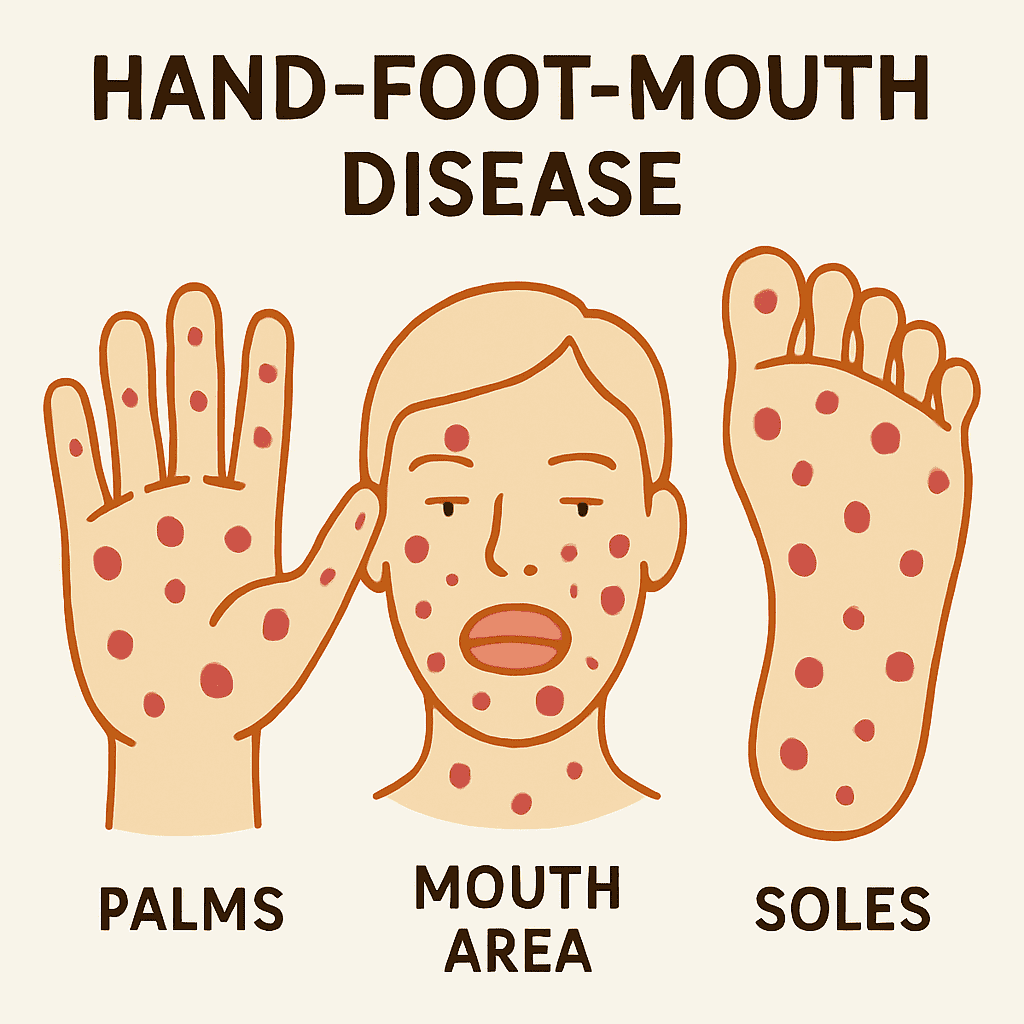
But How do I recognize Hand-Foot-and-Mouth Disease?, What if the child suddenly cries and refuses to eat? Although the red blisters on the palms, soles of the feet, and in the mouth can look extremely dramatic, the illness is almost always harmless. Three simple home remedies have proven effective in soothing the painful mouth lining: cool chamomile tea, soft water ice, and mild, pureed foods. As soon as the acute symptoms have passed, bureaucratic everyday life often awaits you.
Child Sick at Home: Your Guide to child sickness benefit, sick leave notification, and the 67 percent rule
When your child has a fever, your concern should be for their recovery. However, parents often wonder in this stressful situation: Child sick how much money Is this actually legally entitled to us? The statutory health insurance compensates for loss of earnings as long as your child is under 12 years old. Those who want to know quickly, How is children's sickness benefit calculated?, can use a simple rule of thumb: The Child sickness benefit amount usually covers as Child sickness benefit 67 percent of your disposable net income.
For this financial aid to flow smoothly, the correct procedure is crucial. Unlike in your own illness, you absolutely need the pediatric medical certificate from the first day to secure your claim and future legal regulations such as the Child sick days 2026 to secure
- Pediatrician Have the certificate (Form 21) issued on the first day of absence.
- Company Give the Sick note employer immediately.
- Health insurance Submit the signed form promptly for payment.
Single parents often bear a double burden in case of illness, but fortunately, they also receive double the entitlement to paid care days. Once the paperwork is done, you can take a deep breath and focus on care at home again.
From Alarm to Action: Your Roadmap to Recovery
You can now distinguish between harmless infections and real childhood illnesses. Put your knowledge into practice with a „Safety First“ plan: pack a sick day kit in advance and, if in doubt, consult your pediatrician to confidently manage first aid for high childhood fever.
Initial concern turns into calming capability. Children have enormous resilience. If you also keep an eye on the vaccination schedule for infants and children, you will be well-prepared for future waves of illness. Trust your observation skills – you know best what your child needs.